There is a quiet pulse beneath the teak forests and open grasslands of Hwange — one that threads through this dry corner of Zimbabwe like an artery, carrying life across a park that has few natural rivers of its own.
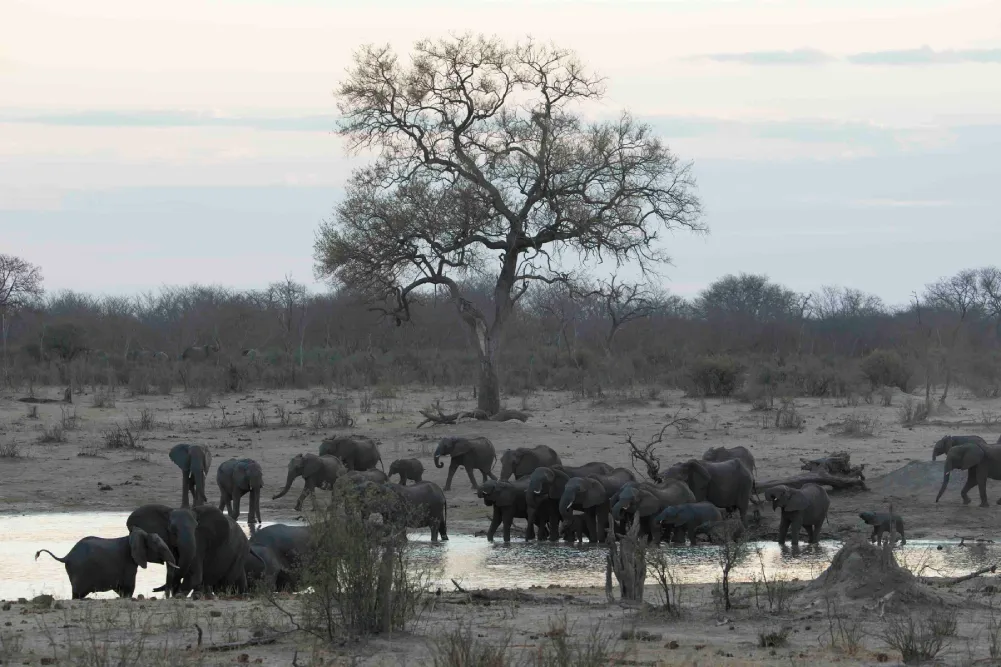
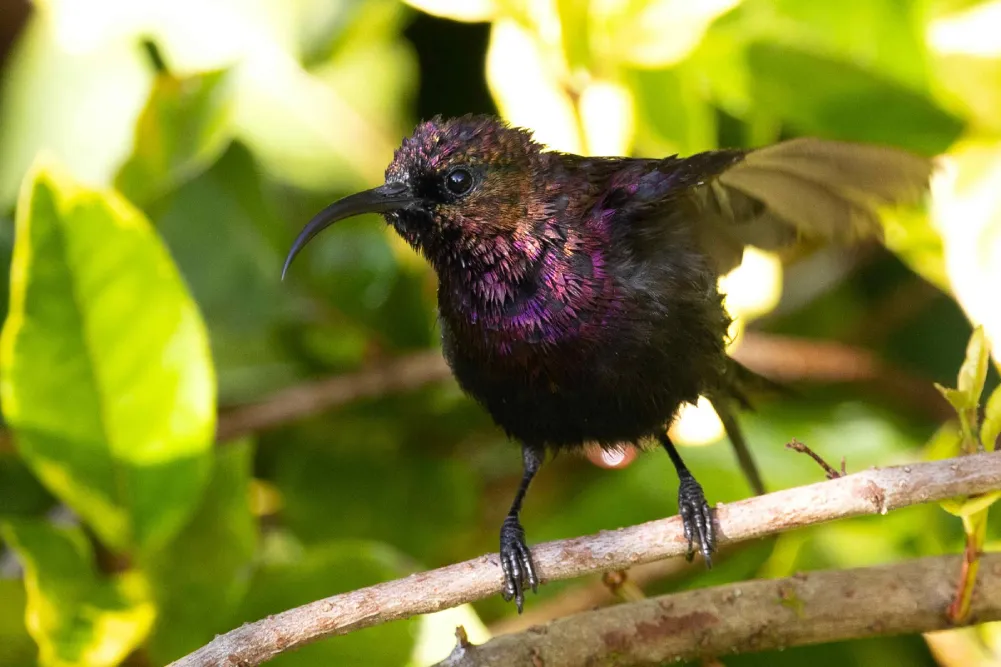
It cups in the hollow of a leaf for a thirsty sunbird. It pools in the pumped waterholes where elephant matriarchs have led their herds for generations, trunks raised in celebration of every dry season survived. It glimmers, brief and precious, on dew-laden grass at dawn before the rising heat reclaims it into the shimmering light.
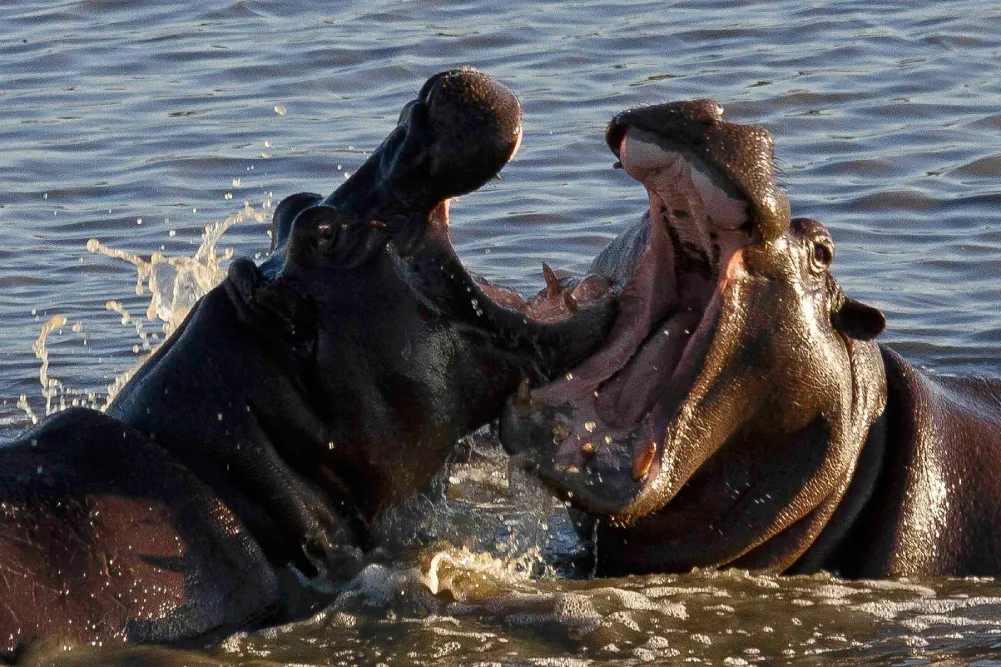
In its depths, terrapins bask on half-submerged logs, while hippos cavort in pans that hold water through the long dry months thanks to a borehole and a solar pump. During the dry season, every drop counts. Water scarcity affects migration patterns, survival rates, and the delicate balance of entire ecosystems and during the dry months artificially pumped pans are the only available water source.
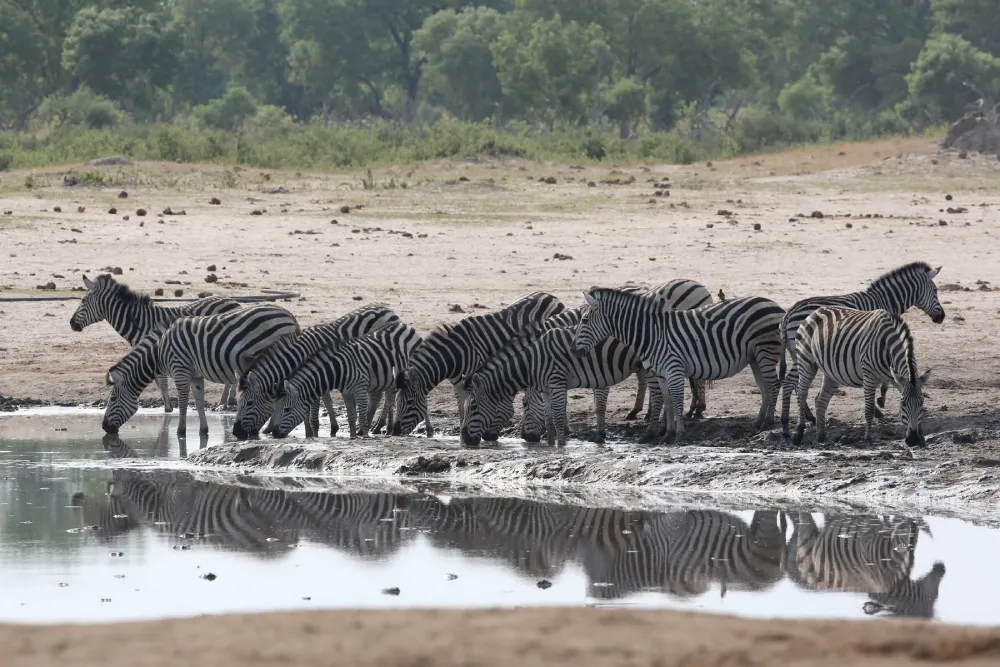
Water draws the wild together at every pan — predator and prey sharing the same muddy bank, painted dogs pausing to drink after a hunt, zebra and spotted hyaena cautiously approaching the same cracked hollow — creating fragile truces written in dust and reflection, the kind only Hwange’s scarcity can demand.
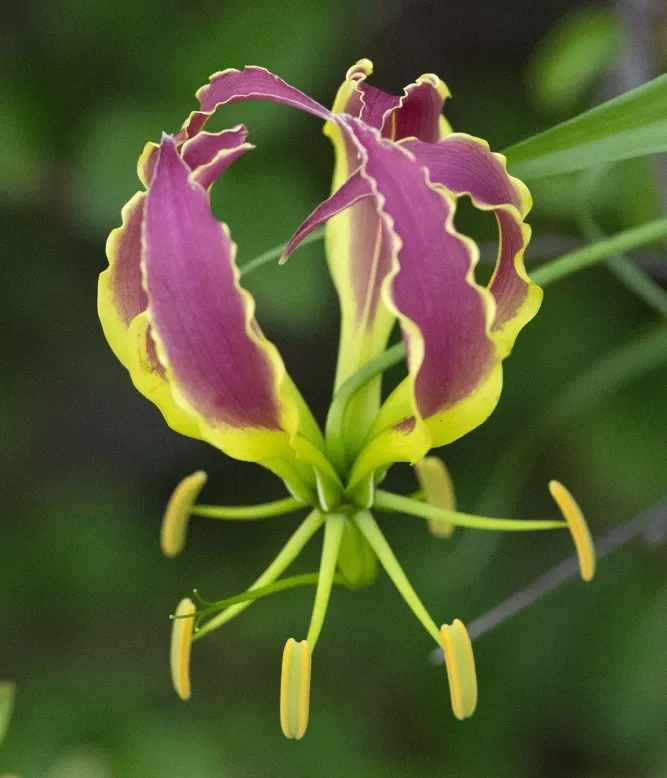
It falls as rain in brief, generous months to wake the vlei into sudden bloom, when reed frogs and toads call into rejuvenated pools that cradle myriads of tadpoles. It collects in pans that become gathering grounds for some of Africa’s largest elephant herds, tens of thousands moving between waterholes on memory and instinct passed down through generations. It carries giraffe through mixed woodlands and eland through the Kalahari sandveld, each creature a study in surviving where nature alone cannot always provide.
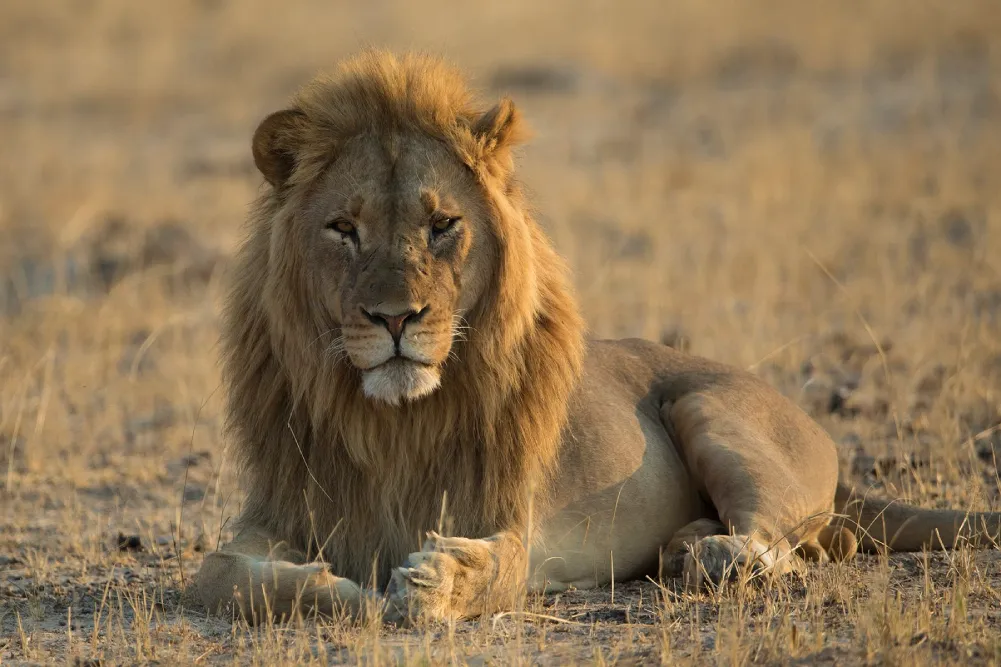
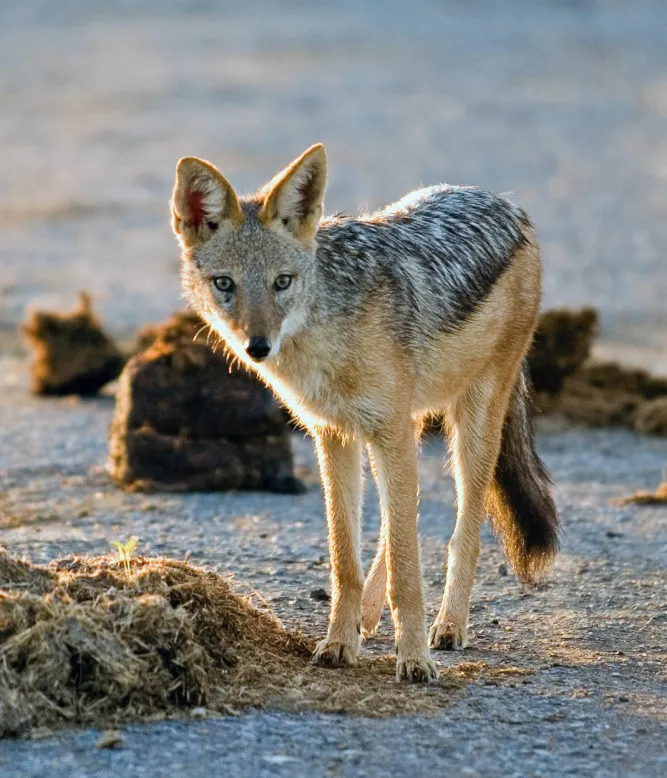
When the light drains from the sky, the jackals begin their night-time chorus, each cry being answered from somewhere far off. From deep in the dark a lion roars, the resonance felt in the chest before it is heard, a thrilling sound that shakes the air and leaves the creatures of the wild holding their breath. In the silence that follows, the smaller world creeps back in – the ceaseless pulse of crickets, the low hollow call of an owl, frogs chorusing along the water’s edge, and the soft rustle of something unseen moving through dry grass. Above it, the stars burn countless, and the darkness seems to listen.
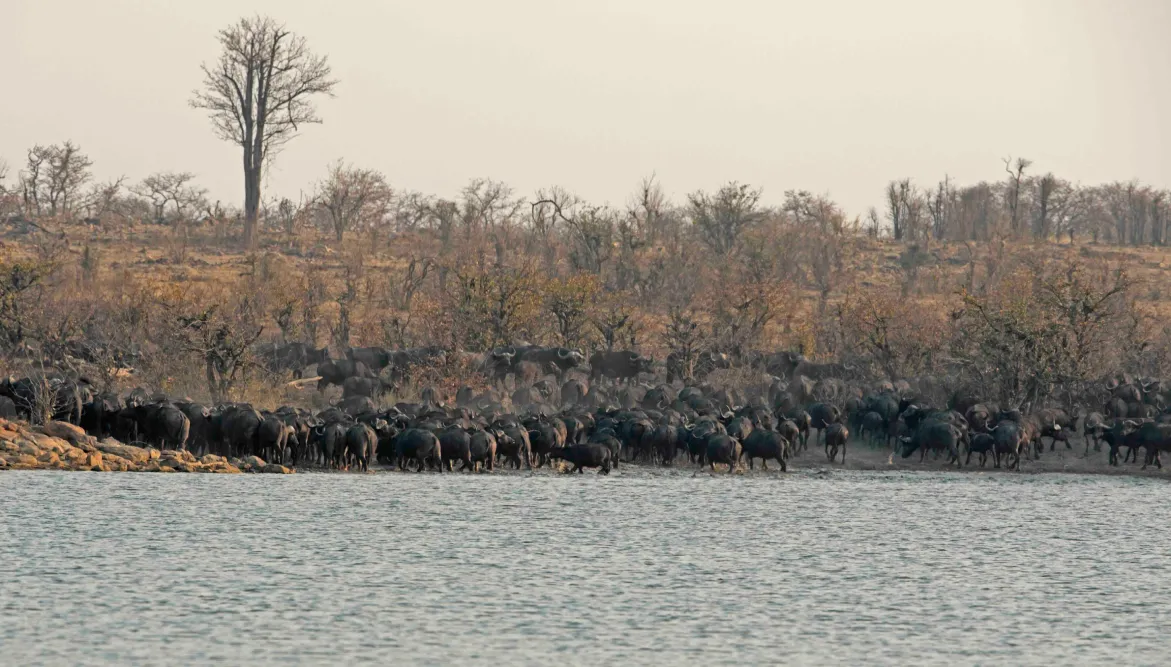
To watch Hwange’s wildlife is to watch water in disguise – thanks to human hands. The cloud of dust that’s evident long before a buffalo herd darkens the horizon with a tide of shaggy shoulders and lowered horns surging toward the water. Hundreds of hooves churning the dry plain into a golden haze, the air filled with the musk of hide and dust, the deep grunts and bellows of the herd. Reaching the water’s edge, the compressed mass surges forward like a living river flowing towards the life-giving resource, and the water shatters into silver spray beneath the weight of their thirst.
Every elephant that has learned to wait its turn at a pump-fed waterhole, every quiet drink at last light, is testament to this shimmering, fragile thread that binds the park’s creatures together — sustained, in no small part, by those who keep the water flowing.
 The waterholes across the entire Main Camp area of Hwange are safeguarded by Friends of Hwange to provide a lifeline. They mean the difference between life and death for elephants, buffalo, and countless smaller creatures whose survival depends on it.
Providing water in Hwange is to protect life itself, to sustain the delicate balance of the wild, and to secure the future of Hwange’s wilderness.
Join Friends of Hwange to keep the water flowing. Every donation, whether large or small, helps to support the water pumps that sustain Hwange’s wildlife. Stand with us today to keep the shimmering thread, the heartbeat of Hwange, alive.
Please donate by clicking the link at the top of this page.